
Sciatica Nerve Pain Care
- PTI HOME
- Sciatica
Regarded as a leading pain management team in Texas, we offer a wide variety of patient-centered, expert care to our patients and community.
Pain Management for Sciatica Nerve Pain
If you’re experiencing sciatica pain, you’re not alone. More than 40% of people will experience sciatica at some point in their lives. Sciatica is a condition that occurs when one or more of the five nerves that make up your sciatic nerve become irritated or compressed. This can cause pain that radiates from your lower back down into your legs. Our pain management physicians specialize in diagnosing and treating sciatica. We can help you find effective relief from your discomfort.
Sciatic Nerve Pain Symptoms
If you’re experiencing sciatica, you may notice symptoms such as:
Pain: You might feel pain ranging from mild to severe in your lower back, buttocks, and down the length of your leg.
Numbness: You may experience numbness or tingling sensations in your lower back, buttocks, leg, or even your feet.
Weakness: You might feel weakness in your lower back, buttocks, or leg muscles.
“Pins and Needles”: You may have a constant feeling of pins and needles or tingling in your legs, toes, or feet.
Important Notice
In more serious cases, you may experience loss of control over your bowel or bladder function.
It’s important to note that these symptoms can vary in intensity and may not always be present in all cases of sciatica.
What Are Some Causes of Sciatic Nerve Pain?
Sciatica can indeed arise from several underlying medical conditions. Here’s a breakdown of some common causes:
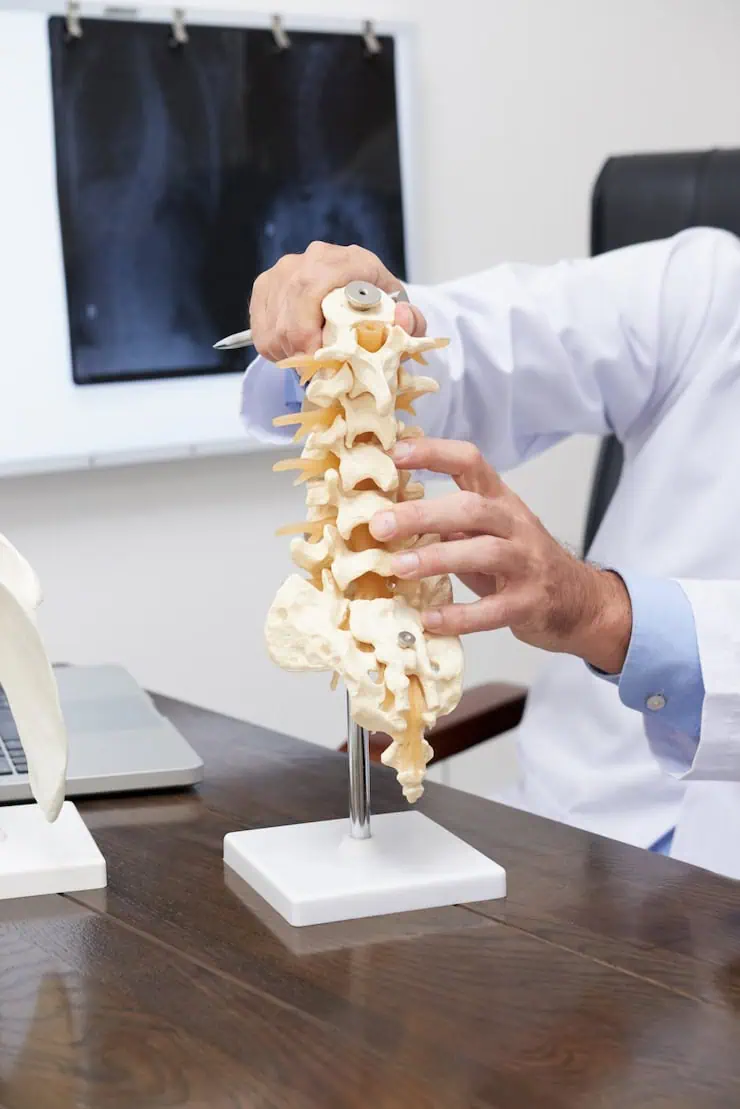
- Herniated Disc: This is a frequent culprit. The soft, gel-like center of an intervertebral disc (which cushions the vertebrae) can bulge or rupture, putting pressure on the sciatic nerve.
- Degenerative Disc Disease: Over time, the discs in your spine can lose their water content and flexibility, leading to decreased cushioning and potential nerve compression.
- Spinal Stenosis: This condition involves a narrowing of the spinal canal, which can squeeze the sciatic nerve.
- Osteoarthritis: This type of arthritis can affect the joints in the spine, causing bone spurs that may impinge on the nerve.
- Trauma: Injuries to the lower back, such as falls or car accidents, can cause damage to the discs or other structures that put pressure on the sciatic nerve.
If you’re struggling with frequent or severe headaches, our pain management specialists can help diagnose the underlying cause and develop a personalized treatment plan.
- Hips
- Knees
- Lower back
- Feet
- Hands
Treatment for Sciatica Nerve Pain
If you’re living with sciatica, effective pain management can significantly improve your quality of life. Our experienced pain management physicians can help you find the right treatment plan. We prioritize conservative approaches whenever possible (If conservative treatments don’t provide sufficient relief, a surgical option may be recommended).
Treatments may include:
Our Commitment to Treatment Excellence
To help reduce pain and inflammation.
To strengthen core muscles and improve flexibility, which can alleviate pressure on the sciatic nerve.
To reduce inflammation around the nerve.
